
 Contact us

Light steel railsare used in the construction of light rail transit systems, as well as in other railway systems. There are several benefits to using light steel rails:
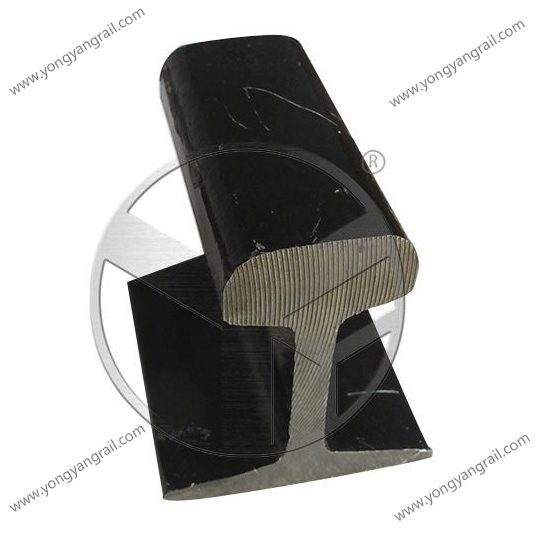
Light steel railWeight
Light steel rails are much lighter than traditional heavy steel rails, making them easier to transport and install. This can save time and money on the construction of a railway system. Strength
Despite their lightweight, light steel rails have a high strength-to-weight ratio and are capable of supporting heavy loads. Long lifespan
DurabilityLight steel rails are resistant to corrosion and have a longer lifespan than heavy steel rails, which can save on maintenance and replacement costs over time. Low maintenance
Light steel rails require minimal maintenance, which reduces the overall cost of ownership. Easy to install
Light steel rails are easy to install, which can reduce construction costs and downtime. Flexibility
Light steel rails are flexible and can be easily bent to fit the contours of the terrain, which makes them suitable for use in areas with uneven or hilly terrain. Noise reduction
Light steel rails produce less noise than heavy steel rails, which makes them suitable for use in urban areas where noise pollution is a concern. Improved ride quality
Light steel rails produce less noise and vibration than heavy steel rails, which can result in a smoother ride for passengers. Increased speed
Light steel rails can support higher speeds than heavy steel rails due to their reduced weight and improved ride quality. Environmental benefits
Light steel rails use less steel in their construction. The lighter weight of light steel rails means that less energy is required to transport them, which can result in lower greenhouse gas emissions and a smaller carbon footprint.
For more information, pleasevisit this link.